April 22, 2020

Earth Day 2020: How Will You Celebrate?

Today marks the 50th anniversary of Earth Day, and although plant swaps and festivals have been canceled around the world, there are still many ways to celebrate the earth and take action to protect it! Some of the items below have designated dates and times, but others can be used whenever you want - Earth Day every day! Click on each heading below to learn more.


Earth Day Live

In this three-day livestream (April 22-24, join activists, celebrities, musicians, and others in community and hope for the future.
  • Day 1 (Strike) - amplifying the voices of indigenous leaders and youth climate activists.
  • Day 2 (Divest) - reprogramming the economy to work for people and planet rather than polluters and politicians.
  • Day 3 (Vote) - the importance of voting for our future.

24 Hours of Action

EarthDay.org has compiled a list of actions you can take today. Whether you have five minutes or a whole afternoon, there's something for everyone here!

Lights Out, Tune In

Climate Action Alliance of the Valley invites you to join them at 8 p.m. (Eastern) in Lights Out, Tune In. Turn off all the lights and spend an hour focusing on the climate crisis before us - whether in nature, by reading inspiring books or articles, through prayer or meditation, or with any other contemplative act.

Free Resources to Celebrate Earth Day

This list compiled by Climate Action Alliance of the Valley includes calls to action, workshops and webinars, music, art, articles, and books (including free ebooks!).


March 25, 2020

Mindful Social Distancing

How do we hold ourselves together when the world appears to be coming apart at the seams? How can we help others if we can't even leave our homes? Actually, the biggest way we can help others right now is by doing just that: not leaving our homes. And while staying home, perhaps we can slow down and practice mindfulness. Perhaps we can take the time to do things we didn't have time to do before. But in our lack of movement, let's not become passive.

While we're stuck at home, businesses are closing their doors and losing money - and while the big corporations will survive (some, like Amazon, will even thrive), the small, local businesses may not have the resources to come back from this. When you spend money in the coming weeks, think not only about what you purchase, but where.


Food

When shopping for groceries, visit small, locally-owned grocery stores, farm stands, and farmers markets. Not only will you be supporting local businesses, but these places are often less crowded than the big chain stores, making it easier to stay at least six feet away from other shoppers. Remember that grocery stores are considered essential businesses and thus will not be closed - buy only what you need for a week or two, so that others may purchase what they need as well.

If restaurants have not yet closed in your area, order delivery or takeout from a local restaurant rather than a chain. This is also an excellent time (if you are financially able) to buy gift cards from local businesses, whether to give as gifts or to use yourself once the businesses reopen. Those who are celebrating birthdays or anniversaries during this time of social distancing may appreciate receiving one in the mail!

Entertainment

Before you sign up for streaming services, think creatively about where else you could put that  money. Many libraries offer free digital services, including ebooks, audiobooks, online classes, and sometimes even movies. Consider donating some of the money you save by using these free services back to the library.

If you prefer to purchase hard copies of books, check to see if your favorite local bookshop has an online store, or order from Powell's Books. Another way to support a local bookshop is through Libro.fm, an audiobook company that offers both individual audiobooks and monthly memberships. The money you spend there will go to a bookstore of your choice!

Of course, with the weather warming up, you can also go outside. When choosing a hiking or biking trail, look for lesser-known, off-the-beaten-path options. If you see a lot of cars in the parking area when you arrive, move on to a different trail. Several national parks have had to close part or all of their parks due to overcrowding. Those that remain open aren't charging entrance fees, so if you visit one, consider donating the entrance fee via their website to help keep the park running.

Staying Connected

You may not be able to hang out with friends or visit family, but there are many ways to stay in touch. When the cabin fever sets in, pick up your phone and call someone, write an email or good old-fashioned letter (this is also a great option for kids!), or arrange for your book club or small group to meet via video chat. Contact your pastor or look through your church directory for church members who might appreciate a phone call or letter.

Above all, remember that a pandemic, by definition, affects many people: this isn't about you or me, but us.


February 8, 2020

Alternative Ethical Valentine's Day Ideas

Valentine's Day is one of those "Hallmark holidays" that's been blown out of proportion (how many of us actually know who St. Valentine was?), and the common methods of commemorating it are hardly sustainable or ethical. Roses in February? Imported from Colombia. Boxes of chocolates? More paperboard and plastic than chocolate, plus the cacao was likely harvested by children and others paid low wages. Unfortunately, even fair trade chocolate isn't perfect (see link above).

But.

I love holidays, and even minor "Hallmark holidays" provide an excuse to celebrate. So how do we do so ethically? Here are some alternative ideas for showing love to your significant other, family, or friends.


Go on a small adventure.
...visit a local museum or art gallery, explore a nearby downtown, take a winter hike, etc.

Bake a special treat.
...remember to use fair trade and organic ingredients!

Purchase a fair trade or locally-made gift.
...from places like Ten Thousand Villages or a year-round farmers market.

Send a handwritten letter.
...perfect for long-distance relationships. Or you can hand-deliver it!

Prepare a special surprise meal.
...breakfast, lunch, or dinner!

Make and enjoy a meal together.
...as simple as pancakes or as complex as a three-course dinner.

Go out to eat at a locally-owned restaurant.
...look for one that sources local, sustainable ingredients.

Gotta have chocolate? Buy fair trade.
...and encourage other chocolate companies to use ethical and sustainable ingredients.


August 27, 2019

Fires In the Amazon: What’s Happening and What You Can Do


The Amazon Rainforest is on fire. This exotic place may seem half a world away, but whether you realize it or not, what happens to the Amazon impacts you, and your actions affect it.

Making up half of the earth’s tropical forests, the Amazon Rainforest is both the largest river basin and the most biologically diverse ecosystem in the world. One-tenth of the known species on earth reside in the Amazon Rainforest, and there are many besides that have yet to be recorded. Less often talked about are the people who live there: more than 30 million individuals, including 400 indigenous groups.

Additionally, the Amazon’s 300 billion trees store one-fifth of all the carbon contained in the earth’s biomass, and when those trees are cut down—or burned—that carbon is released into the atmosphere. As you likely know, more carbon dioxide equals more global warming, which means hotter summers (this past July was the hottest month on record), colder winters, more extreme storms, and sea level rise. Often called the lungs of the world, the Amazon also produces 20 percent of the oxygen in the earth’s atmosphere.


What’s Happening


Nearly two-thirds of the Amazon Rainforest is within Brazil’s borders, and 72,843 fires have been reported in that area so far this year—a record number. Unfortunately, Brazilian president Jair Bolsonaro has done nothing in response and has actually blamed NGOs for starting the fires. The real cause is intentional deforestation, according to the Amazon Environmental Research Institute (IPAM). Tracts of forest are commonly cut and then burned for cattle ranching, soybean farming, and other uses. From July 2018 to July 2019, deforestation more than doubled. In fact, Bolsonaro, who began his term in January, has encouraged farmers and loggers to clear the rainforest.

Other countries in the Amazon have also seen record fires this year, most notably Venezuela and Bolivia.


What You Can Do


Act
  • Tell BlackRock, the world’s largest investment firm, to stop investing in oil, mining, and agribusiness companies destroying the Amazon. Send a message and sign a petition!
  • Know your beef. About 80 percent of deforested areas of the Amazon Rainforest are cattle pasture. Reduce your beef consumption and only purchase grass-fed beef from local farms to both combat climate change and avoid supporting destruction of the Amazon. Remember that leather comes from cows, too!
  • Support indigenous people of the Brazilian Amazon by signing this petition to halt the Brazilian government’s assault on social and environmental protections.
  • Reduce your consumption of paper and wood products, and look for recycled items or the Rainforest Alliance seal when you do purchase them. Think furniture, building projects, writing and printer paper, notebooks, paper towels, and disposable dishes, cutlery, and napkins. (Hint: you can usually do without the last four items!)
  • Tell the Brazilian government to save the Amazon Rainforest and protect indigenous lands through this petition.

Donate
  • Amazon Watch works “with indigenous communities to stop the destruction and defend their rights and homes.”
  • Rainforest Action Network’s Protect an Acre program distributes grants to frontline communities, indigenous-led organizations, and their allies to protect rainforests around the world.
  • Rainforest Trust establishes legally designated protected areas through purchase or designation.

Educate
  • Share this blog post and/or the actions listed here with family and friends through social media and other outlets.


----------
Sources:

June 6, 2019

Summer Is Coming! 7 Seasonal Sustainability Tips

Believe it or not, summer is only two weeks away for those of us in the northern hemisphere. Everything outside is looking greener, and it's time for us to follow suit. As you make your summer plans, keep a few things in mind for greener fun.


1. Turn down the AC

Not only do air conditioners use a significant amount of electricity, but they also contain chemical refrigerants, which contribute to global warming. In fact, refrigerant management is the number one solution to climate change according to Drawdown.org.

So what should we do? For starters, turn your thermostat up a few degrees and program the AC to run only when you are home. Close the blinds on south-facing windows and/or those that receive significant sunlight during the hottest part of the day, and open the windows to let in cool air from evening to morning. If you can stand it, don't turn the AC on at all!

2. Protect your skin

As a pale, blue-eyed redhead, I know better than most the dangers of the sun. If you're planning on being in the sun for more than a few minutes, take some precautions to protect your skin. The best protection, of course, is long sleeves, pants, and a wide-brimmed hat. Sunscreen often contains chemicals that are harmful to us as well as the environment, so choose your lotion carefully. Look for natural brands like Badger or Alba Botanica.

3. Hydrate responsibly

It's important to drink plenty of water on hot days, especially if you're being active. But make sure your healthy habit doesn't harm the earth! Avoid buying bottled water if at all possible. Instead, fill a reusable water bottle with tap water whenever you leave the house, even if you're just running errands. Use an insulated bottle or travel mug to keep water cool in the car.

4. Visit the farmer's market

Summer is the easiest time of year to eat local, so take advantage of it! Plus, walking through the farmer's market is a lot more fun than a trip to the grocery store. Plan your meals around whatever is in season - chopped salads make great easy lunches, and there are endless ways to use things like spinach, tomatoes, and squash. Pick up one new thing to try every time you visit the farmer's market, like kohlrabi or daikon radishes, if you're feeling adventurous. Don't forget your reusable bags!


5. Get outside

If you're not in the house, you don't need to have the lights or AC on, never mind the TV or computer. Grab a book and a glass of iced tea and sit out on the porch for an hour or two. It's that easy. Have flower beds or a garden? Make it a goal to spend at least ten minutes weeding every day. I find it therapeutic, and in bite-sized chunks of time, the task is less overwhelming. Go for a walk every evening after supper instead of plopping in front of the TV, or pull the bikes out of the shed for a leisurely ride.

On the weekends, you can go for day hikes or camping trips - not only is this a great way to exercise and enjoy nature, but you can also support state and national parks if you choose to spend time there. Look for local craft shows and other festivals where you can have fun while supporting local artists and small businesses.

6. Green your BBQ or picnic

Barbecues and picnics are staples of summer, but they're also frequently sources of a lot of disposable items and conventionally-raised beef. If you're hosting, offer your guests reusable plates and cutlery that can easily be thrown into the dishwasher - not the trash! - at the end of the meal. Cloth napkins can go through the wash with a load of towels. When it comes to the food, remember that chicken has a lower carbon footprint than beef or pork, and choose local, grass-fed/free-range, and organic whenever possible. Skip the store-bought soda and set out a few pitchers of homemade iced tea and lemonade instead.

Going to someone else's picnic, barbecue, or potluck? Unless you know they'll have reusable dishes set out, bring your own plates, cups, napkins, and cutlery. Remember to do the same when you head out for a simple family picnic in the park, too.

7. Keep chemicals out of the yard

Glyphosate, a common ingredient in weedkillers like Roundup, is extremely dangerous to people, animals, insects, and the environment in general. In fact, it has recently been confirmed to cause cancer. Please do not use any kind of chemical weedkiller, pesticide, or fertilizer. Your lawn doesn't need to be - nor should it be - perfectly uniform grass, and there are other methods for keeping fence lines clean. To discourage mosquitoes, refill pet bowls and birdbaths frequently, and plant mosquito-repelling herbs like lemongrass or rosemary. Look up alternative solutions to pests in the garden, which range from organic sprays to companion planting.

*******

How do you stay green in the summer? Share your tips and ideas in the comments!


May 15, 2019

Ecofiction Roundup no. 1: Flight

I love to read. And more than that, I believe that stories, whether true or not, are valuable teachers. Recently, I discovered the genre of "ecofiction," and I've been wanting to shout the titles I've read from the rooftops, because they are simultaneously terrifying and inspiring. Ecofiction ranges from contemporary fiction to sci-fi but with environmental or nature-oriented themes. Although the name may sound new, the idea is not - if you've read anything by Barbara Kingsolver, you've read ecofiction.

As I began compiling titles for this first Ecofiction Roundup on Enough, I began to notice a theme: flight. Whether they're attached to bees or dragons, these books all have wings.

Flight Behavior | Barbara Kingsolver

One of Kingsolver's many excellent novels, this book contains themes of relationships, conservation, nature, science, rural communities, and church. Nothing has an easy answer, and no one is perfect - life is complex and messy. Everyone has a story. Everything is connected.

The Crows of Beara | Julie Christine Johnson

This contemporary novel contains beautiful Irish landscapes, refreshingly believable characters, and a poetic story. It is a narrative of both people and place, and I love the relationships, the struggles, and the openness to the voice of the land.

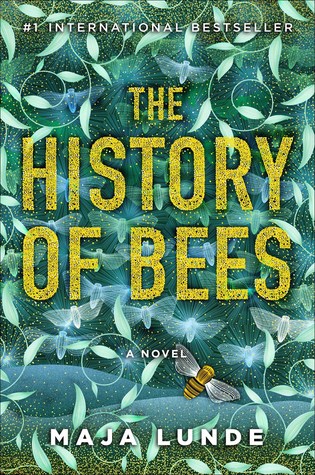
The History of Bees | Maja Lunde

Three very different stories, ranging from historical fiction to dystopia, weave together beautifully by the end in barely more than subtle ways. The suggested possibilities are horrifyingly realistic, and yet hope has a place as well. This is a beautiful tale of bees, family, and humanity.

The Dragon Quartet | Marjorie B. Kellogg

This fantasy/sci-fi crossover is both entertaining and relevant. It has compelling characters, interesting cultures and landscapes, a brilliant weaving together of times and places, and settings eerily parallel to our own. And dragons, of course!


Where to Buy

Interested in reading any (or all!) of these wonderful books? Here are a few suggestions of where to find them:

1. The library
2. A local bookstore
3. A big box bookstore (think Barnes & Noble)


April 29, 2019

5 Things You Can Do Right Now ... For Free

Living sustainably and ethically often sounds expensive and out of reach for those of us on a tight budget, but it's not! You don't have to install solar panels or double your grocery budget to make a difference. Here are five simple changes you can make today without spending any money. In fact, you might save some!


1. Bring your own mug.

If you often buy coffee or tea when you're out and about, take a travel mug with you or keep a clean one in your cup holder. Even better, let some coffee percolate or tea steep while you get ready and grab it before you head out the door. Don't have a travel mug? Check the thrift store before looking for a brand-new one.

2. Use a rag.

Paper towels are super convenient, but they're also super wasteful. Keep ratty old towels, washcloths, and (cut-up) t-shirts in a drawer, box, or other location that's easily accessible. Use them for spills, dusting, cleaning the bathroom ... whatever you normally use paper towels for.

3. Keep a container in your car.

I almost always need a box when I eat at a restaurant, and too many times that box is made of foam or plastic. The solution? Keep a container in the car! I've heard you can also use your own containers for takeout if you mention it when you order, but I haven't tried that yet. Have you? Let me know in the comments!

4. Say no to single use.

When the waiter drops a handful of straws on your table, do you automatically grab one? Instead, when your waiter reaches inside their apron pocket, politely tell them you don't need straws. If the restaurant has paper napkins in dispensers, only take one (and just one!) if you need it; don't grab several "just in case." And when stopping by an ice cream shop, choose a cone - you'll avoid the use of both a cup and a spoon. Addicted to sundaes? Bring your own spoon!

5. Turn it off.

You've heard before that you should turn the lights off when you leave a room. Take it a step further: If you go into a room just to grab something - or even to use the toilet - and that room has a bright window, think about whether you need to flip the switch to see. You can also turn off the water, not only when you're brushing your teeth, but while you soap up in the shower. What else can you turn off?

April 22, 2019

Happy Earth Day, and Welcome!

It is fitting that Earth Day directly follows Easter this year. Yesterday we celebrated new life, and today we celebrate creation. I also thought it a fitting day to launch a new sustainable and ethical living blog. So, no matter who you are or where you find yourself today, welcome to Enough.


Enough is a blog about living abundantly while treading lightly on - and even nurturing - the earth. Posts will typically cover practical, everyday topics like waste-free grocery shopping, reducing plastic in the kitchen (and around the home), natural cleaning, and conserving electricity and water. There will even be the occasional "ecofiction roundup" - a list of recommended books along with mini reviews.

Why Enough? Speak it with exasperation, frustration, anger: Enough pollution. Enough violence. Enough destruction. Speak it with temperance: Enough food. Enough clothes. Enough stuff. Speak it with the joy of abundance: I have enough. There is enough. I can do enough.

It is easy to fall into despair in the face of food grown with poisons, wars over finite resources, plastic filling the oceans, and species disappearing. But there is still beauty and hope to be found, and even if you feel that radical change is beyond your control, everyone can do something, and little things add up. It is enough.

April 2, 2019

Coming soon!


Blog coming soon! Tentative launch date: April 22 (Earth Day). In the meantime, follow the blog using your favorite method in the sidebar to get notified when the first post is published!


Follow my blog with Bloglovin